
Key Points in Designing Refractory Bricks for Rotary Kiln Lining and the Importance of Key Bricks
I. The Role of Key Bricks
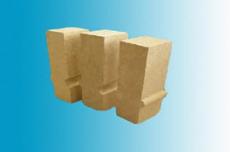
Key Bricks play a vital role when using refractory bricks for lining rotary kilns. Installing joint bricks on each ring effectively maintains the alignment of the joints during kiln rotation, preventing bricks from falling out and extending the life of the kiln. Without Key Bricks, aligning misaligned joints during construction can be extremely difficult, which can lead to overlapping joints, gaps, and bulges.
II Cutting Bricks from Different Refractory Materials
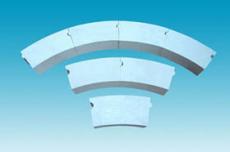
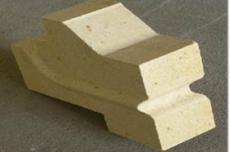
If joint bricks are not considered in the design, cutting the bricks will be required to seal the joints. While high alumina refractory bricks are relatively easy to cut, magnesia refractory bricks, which are not affected by water, are difficult to cut and can cause unnecessary problems. The use of interlocking bricks fixes the bricks, preventing deflections and protrusions, and ensures the alignment of the refractory lining with the furnace body.
III. Key points in laying
1. When installing the lining on the shell, press the top of the lining firmly against the shell, pressing the wide surfaces of adjacent bricks together. If the refractory brick requires mechanical processing, its length should be at least 50% of the original brick length, and the thickness should be at least 80% of the original brick length.
2. Applying refractory mortar:
The refractory mortar should be tightly tamped to ensure a tight fit between the bricks. The joints between the bricks should be tightly filled with the original mortar. Uneven areas can be leveled with refractory mortar. During construction, apply refractory mortar evenly in a layer 1 mm thick. In particular, when laying firebricks in each ring, leave the last 15-20 bricks open to ensure a tight fit between them.
3. When using steel plates, the thickness of the steel plates between the bricks should be 1-2 mm. The steel plates should not protrude beyond the edges of the firebricks, and there should be no gaps or lintels. Only one steel plate can be used for each joint.
IV. Characteristics of the Interlock Brick
1. Arrangement and Number of Interlock Bricks: Interlock bricks are usually placed between the last five or six bricks and are fixed with two interlock bricks and a base brick. Each ring should contain no more than four interlock bricks, with the base brick used as a joint. Interlock bricks should not be placed close to each other. An interlock brick may contain no more than four steel plates, evenly distributed over the entire area of the interlock joint. The steel plates should not be placed close to each other.
2. Offset between rings: The interlocking bricks in adjacent rings should be offset by one or two steps, and the end rings should be connected by one or two steps forward.
V. Requirements for the use of old and new bricks
When using old and new bricks together, adjacent new and old bricks should not be machined, and the distance between them should be at least 198 mm. When using processed bricks, the length should be at least 100 mm with a cutting error of no more than 2 mm. Processed bricks should be laid in the second and third rings from the end, and the second and third rings should be laid alternately.
VI. When using refractory bricks for lining a rotary kiln, the interlocking brickwork is critical to the quality and durability of the structure. The use of interlocking brickwork allows for effective alignment of joints and prevents various problems during construction. In addition, it ensures that the refractory lining and the kiln body are aligned on the same axis, which increases the overall performance and service life of the rotary kiln.







 HOME
HOME