
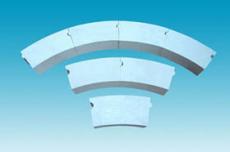
Most furnace roofs adopt suspended flat or arch structures, enduring long-term high-temperature radiation and dead load. They are prone to creep deformation and spalling. The core requirements are high hot strength, low creep, excellent thermal shock resistance and stable volume performance.
Common materials: High-alumina suspended bricks, low-creep high-alumina bricks, mullite bricks and high-alumina refractory castables; the insulation layer adopts lightweight high-alumina insulating bricks and aluminum silicate fiber modules.
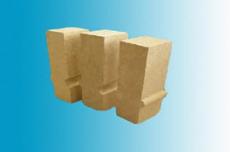
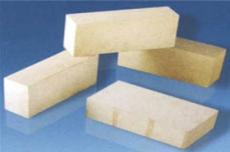
Performance advantages: High-alumina bricks have an alumina content of 60%~80%, with a refractoriness above 1580℃ and load softening temperature over 1420℃. They feature low high-temperature creep and avoid roof collapse during long-term operation. Mullite bricks deliver better thermal shock resistance and resist cracking under rapid heating and cooling. Integrally poured castables have no joints, offering good air tightness and low heat loss.
Application scope: Suitable for the heating and soaking zones of medium and high-temperature heating furnaces. Large walking beam heating furnaces prefer suspended castables for better integrity and longer service life.
The furnace wall is divided into a working hot face and a cold insulation layer. The hot face is directly exposed to flame and flue gas scouring, while the insulation layer reduces heat loss. The key requirements include matched temperature grade, flue gas erosion resistance and low thermal conductivity.
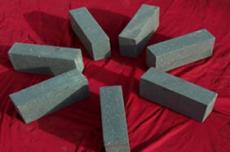
The working layer uses clay refractory bricks for low-temperature sections, and high-alumina bricks or high-alumina castables for medium and high-temperature sections. Clay bricks are cost-effective with good thermal shock resistance, applicable for working temperatures below 1350℃. High-alumina materials feature higher temperature resistance and slag resistance, ideal for 1200~1450℃ high-temperature zones.
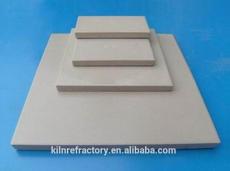
The insulation layer is composed of lightweight high-alumina bricks, calcium silicate boards and refractory fiber felts. Lightweight insulating bricks combine temperature resistance and heat insulation with much lower thermal conductivity than heavy refractory bricks. Fiber modules feature fast construction and low heat capacity, enabling rapid temperature rise and drop and remarkable energy saving effect.
Performance advantages: The composite lining structure ensures flame scouring resistance of the hot face and greatly reduces shell temperature and heat loss, achieving 15%~30% comprehensive energy saving. Integrally cast furnace walls provide excellent air tightness, reduce flue gas leakage and cold air infiltration, and stabilize furnace temperature.
The furnace bottom bears static load from steel billets, friction during material handling, and erosion by oxide scale and molten slag, making it the harshest working zone. It requires high hot strength, excellent slag erosion resistance, wear resistance and stable volume stability.
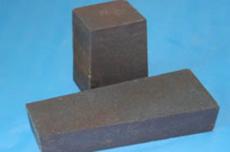
The working layer of heating and soaking zones adopts magnesia-chrome bricks, magnesia bricks, high-alumina wear-resistant bricks and chrome-corundum castables. Magnesia-based materials show strong resistance to alkaline slag and iron oxide erosion, forming a dense protective layer to prevent slag penetration. Chrome-corundum castables resist high-temperature abrasion and are widely used at positions directly contacting steel billets such as walking beams and fixed beams.
The bottom insulation layer uses high-alumina insulating castables and lightweight insulating bricks, which reduce bottom heat loss, support the working layer and prevent structural settlement.
Performance advantages: Slag-resistant materials effectively resist erosion from iron oxide scale and extend the maintenance cycle of the furnace bottom. High-strength materials withstand impact and friction from steel billets without spalling or depression. The composite structure balances load bearing and heat insulation to improve overall furnace operation efficiency.
Burner nozzles and combustion chambers are directly impacted by high-temperature flames with drastic temperature changes and strong gas scouring, easily causing cracking, spalling and ablation. The core requirements are outstanding thermal shock resistance, high-temperature scouring resistance and stable chemical performance.
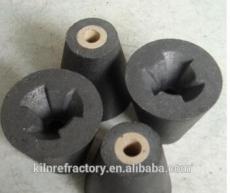
Common materials: Silicon carbide castables or bricks, corundum-mullite castables and high-alumina thermal shock resistant bricks. Silicon carbide materials feature high thermal conductivity and superior thermal shock resistance, with a refractoriness over 1650℃, resisting flame scouring without damage.
Performance advantages: Thermal shock resistant materials remain intact without cracking or spalling under repeated rapid heating and cooling. High temperature and erosion resistance ensure long-term stable operation of the burner area and avoid biased flame and uneven furnace temperature caused by lining damage.
The furnace mouth undergoes frequent opening and closing with severe temperature difference; the flue is eroded by high-temperature flue gas and dust, leading to easy wear and cracking. The main requirements are thermal shock resistance, dust scouring resistance and convenient construction.
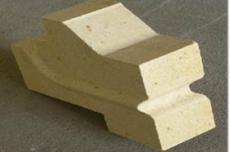
Common materials: Clay thermal shock resistant bricks, high-alumina wear-resistant castables and refractory fiber plastic materials. Fiber materials feature flexibility to adapt to thermal expansion and contraction, while castables provide good integrity and wear resistance.
Performance advantages: Thermal shock resistant materials adapt to temperature fluctuation from frequent opening and closing. Wear-resistant structure reduces abrasion caused by flue gas and dust and lowers maintenance frequency.
The furnace roof is mainly subjected to high-temperature radiation and creep; high-alumina suspended bricks and mullite castables are preferred, featuring low creep, stable volume and good thermal shock resistance to maintain structural stability under long-term high temperature.
The furnace wall is faced with flame scouring and heat insulation demand. The combination of high-alumina bricks and lightweight insulating bricks or composite castables realizes matched temperature resistance, low thermal conductivity and good furnace tightness.
The furnace bottom endures heavy load, wear and slag erosion, where magnesia-chrome bricks and chrome-corundum castables are the optimal choice with strong slag resistance, high hot strength and outstanding wear resistance.
The burner area suffers direct flame impact and sharp temperature changes; silicon carbide and corundum-mullite materials are selected for excellent thermal shock resistance and high-temperature scouring resistance.
For furnace mouth and flue affected by temperature fluctuation and dust scouring, thermal shock resistant bricks and wear-resistant castables are adopted, highlighting thermal shock resistance, wear resistance and convenient construction.
The general selection principle is as follows: high-alumina, mullite and corundum materials for high-temperature zones; magnesia and chrome-based materials for severe slag erosion areas; silicon carbide and thermal shock resistant materials for zones with drastic temperature changes; lightweight bricks and refractory fibers for insulation layers. The composite structure combining erosion-resistant working layer and heat-insulating backing layer realizes long service life, low energy consumption and stable operation of heating furnaces.
The application of refractory materials for heating furnaces is a systematic matching based on working conditions rather than simple single-material use. Proper material selection can significantly extend furnace lining service life, reduce heat consumption and minimize shutdown maintenance, directly improving the economy and safety of high-temperature production. With the growing demand for energy saving and long service life, low-cement castables, refractory fibers and high-performance composite refractories will gradually replace traditional heavy bricks and become the mainstream choice for heating furnace linings.



 HOME
HOME