
I. Overview of Material Characteristics
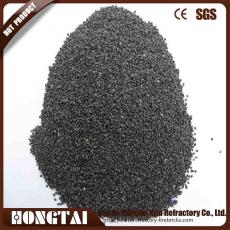
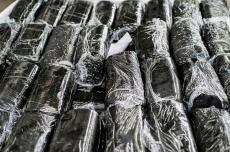
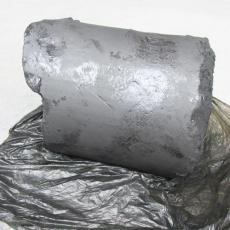
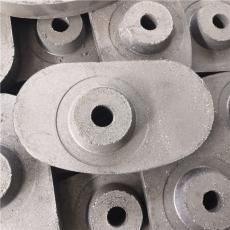
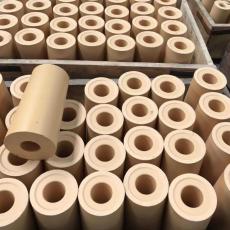
Impermeable castable resin is a special refractory material with low thermal conductivity and high impermeability, effectively blocking the penetration and erosion of molten aluminum and other molten metals. This material is easy to construct; after being laid in the refractory insulation layer, it can be quickly heated and put into use without baking. It can replace traditional refractory bricks as an impermeable layer and is widely used in non-ferrous metallurgical equipment such as aluminum melting furnaces.
II. Core Role in Aluminum Electrolysis Cells
1. Structural Functional Positioning
According to the design requirements of the electrolysis cell, the impermeable castable resin is laid between the sidewall carbon bricks and the insulation layer, or directly covers the bottom insulation layer. Its core functions are reflected in two aspects: first, as a barrier layer to prevent harmful substances such as Na and NaF from penetrating into the insulation layer; second, to provide insulation, ensuring that the internal temperature of the carbon cathode material is maintained above 850℃, while also possessing good thermal shock resistance.
2. Anti-permeability Mechanism: Anti-permeability castables exhibit a significant inhibitory effect on Na and NaF permeation. The mechanism lies in the fact that permeated Na and NaF react with Al₂O₃—SiO₂ refractory materials to form nepheline phase, which blocks the material's pores, thereby blocking the continued permeation pathways of Na and NaF and forming an effective chemical barrier.
3. Performance Evaluation Standards: The anti-permeability performance of anti-permeability castables is typically determined using the following method: The sample is heated to 950℃ in an electric furnace and held at that temperature for 96 hours, then naturally cooled to room temperature with the furnace. The anti-permeability is evaluated by measuring the height of the reaction layer formed after the anti-permeability castable reacts with cryolite. This indicator directly reflects the material's resistance to corrosion under actual working conditions.
III. Application Scope:
In addition to aluminum electrolysis cells, anti-permeability castables can also be used in lead smelting furnace linings and copper smelting furnace linings. Different types of furnaces and process conditions require the selection of appropriate anti-seepage materials, but their core performance requirements are common: the material must possess good adaptability to thermal expansion and contraction, volume stability, and excellent thermal shock resistance. These are crucial for ensuring anti-seepage effectiveness.
IV. Benefits of Use
The application of anti-seepage castables can significantly extend the service life of electrolytic cells, reduce the risk of structural damage caused by molten metal penetration, simplify construction processes, and shorten the commissioning cycle, making it of significant engineering application value in the non-ferrous metallurgical industry.



 HOME
HOME