
I. Product Overview and Positioning
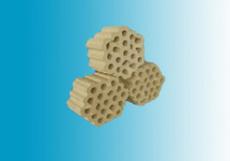
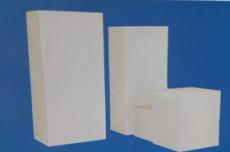
Silica-corundum bricks are high-grade refractory bricks made primarily from high-quality bauxite. By increasing the aluminum content and incorporating a certain proportion of silicon carbide, the bricks are formed through a process of compaction, high-pressure molding, and sintering at 600℃. These bricks belong to the high-end variety of phosphate-based bricks and are also known as high-load-softening wear-resistant bricks due to their high load softening temperature.
From a product positioning perspective, silica-corundum bricks are not a disruptive replacement for phosphate bricks, but rather a quality upgrade based on the existing process system. The production processes for both are basically the same, covering core aspects such as process proportioning, compaction, high-pressure molding, and firing. The main difference lies in the raw material level: silica-corundum bricks use high-quality bauxite with a higher aluminum content and greater bulk density, and silicon carbide as a composite reinforcing component. The high silicon carbide content and the high aluminum content of the bauxite together constitute the basis for the name "silica-corundum."
II. Core Performance Characteristics
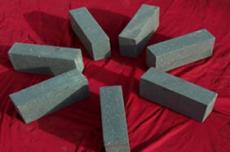
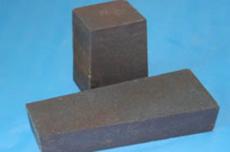
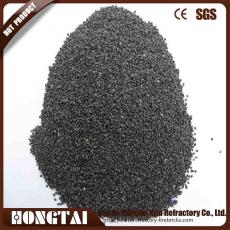
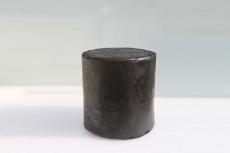
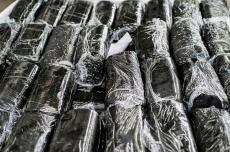
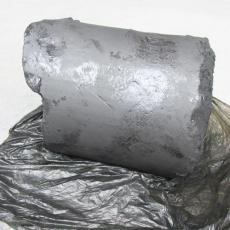
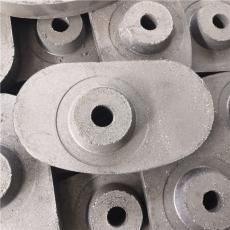
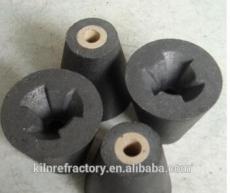
1. Physical and Mechanical Properties: Silica-corundum bricks are dark gray, a deeper color than phosphate bricks. Their bulk density is significantly higher than ordinary phosphate bricks, resulting in significantly improved strength and wear resistance, and a higher load softening temperature.
2. Chemical Stability and Erosion Resistance: These bricks exhibit 2 to 3 times the erosion resistance of ordinary phosphate bricks. They demonstrate excellent chemical stability and durability under high-temperature and corrosive conditions, a key advantage distinguishing them from ordinary phosphate bricks.
III. Typical Application Scenarios
1. Zinc Volatilization Rotary Kiln Firing Zone: Silica-corundum bricks are particularly effective in the firing zone of zinc volatilization rotary kilns. This condition places extremely high demands on the erosion resistance of refractory materials, and silica-corundum bricks have a significantly longer service life than phosphate bricks under these conditions. To adapt to even harsher conditions, zinc volatilization rotary kilns typically use silica-corundum bricks with a higher bulk density (2.9 to 2.95) to effectively resist the dual effects of wear and erosion.
2. In the firing zone of a lime rotary kiln, silica-corundum bricks with a bulk density of 2.8 are typically used. Furthermore, these bricks can be combined with lightweight materials to form a composite structure that combines high strength and thermal insulation. The lightweight layer effectively slows down the rate of temperature drop within the kiln, while simultaneously reducing fuel consumption and optimizing production costs.
IV. Summary of Product Advantages
Silica-corundum bricks, with their dual advantages of high alumina content and silicon carbide composite reinforcement, comprehensively surpass ordinary phosphate bricks in key indicators such as bulk density, strength, wear resistance, erosion resistance, and load softening temperature. They are the highest-performing high-end product in the phosphate brick series. Their application range covers the firing zone of high-temperature, high-erosion conditions such as zinc volatilization rotary kilns and lime rotary kilns, offering significant economic benefits in extending kiln lifespan and reducing operating costs.



 HOME
HOME